 Industries
Golden Pineapple
When you think of tropical fruits, a few classics instantly come to mind: mangoes, bananas,…
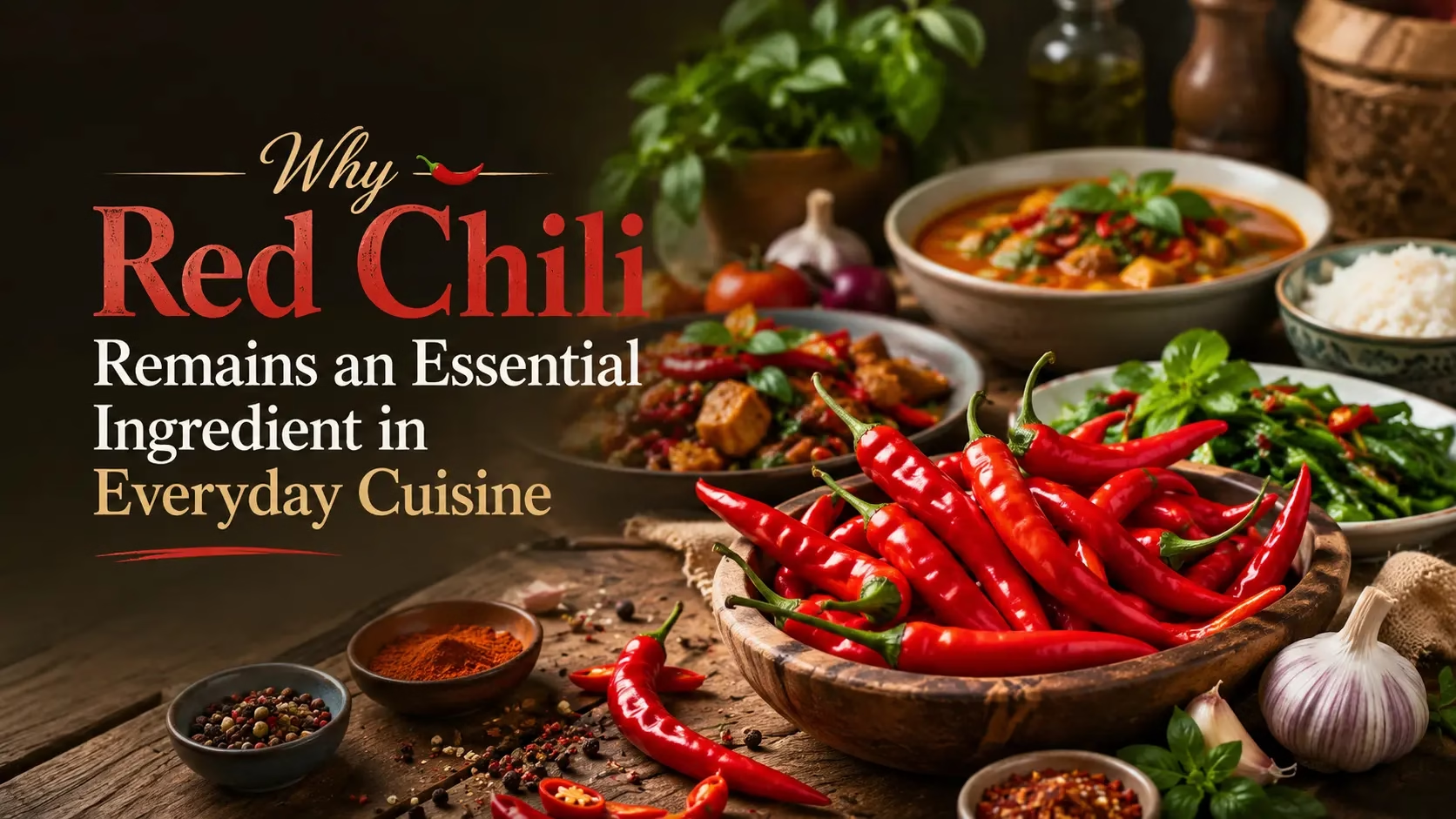
In everyday cuisine, Red Chili is not simply a spice that adds heat. It is an ingredient capable of transforming the overall perception of a dish: adding depth to the flavor, creating an appealing color, and delivering a lively sensation from the very first bite. From familiar home-cooked meals to professional culinary recipes, red chili consistently appears as a small ingredient with a significant impact.
What many people wonder is: Why does red chili continue to play an important role in daily meals even as culinary trends constantly evolve? The answer does not lie in spiciness alone. Red Chili is valued for its versatility in cooking, its ability to balance flavors, its role in food preservation, and the cultural significance it has developed over many generations.
This article will help you gain a clearer understanding of Red Chili from a practical and accessible perspective: from its origin and flavor characteristics to its uses in cooking, as well as the reasons why this small ingredient continues to hold a lasting place in kitchens across many countries around the world.

Archaeological evidence shows that humans began consuming wild chilies as early as around 7500 BCE in the region of Mesoamerica present-day Mexico and Central America (1). The ancient Aztecs and Maya used red chili not only as a food ingredient, but also revered it as a sacred remedy and, at times, as a weapon in ritual practices.
The turning point that transformed the history of world cuisine took place in 1492, when Christopher Columbus arrived in the Americas. Mistaking the pungent heat of chilies for black pepper, which was extremely expensive in Europe at the time, he called them “peppers.” Although red chili did not immediately bring Columbus enormous economic value, it quickly followed Spanish and Portuguese sailors as they traveled across the world.
Within less than a century, through Portuguese trade routes, red chili reached India, Southeast Asia, and China. The chili plant’s remarkable adaptability to tropical and subtropical climates allowed it to be cultivated on a large scale very quickly. Unlike expensive spices that were reserved mainly for the nobility, red chili was easy to grow, highly productive, and affordable, making it a “spice of the poor” before eventually becoming the soul of many Asian and African cuisines.
2.1. What Is Capsaicin?
The main chemical compound responsible for the power of red chili is capsaicin (8-methyl-N-vanillyl-6-nonenamide). This colorless, odorless compound is found in the highest concentration in the white membrane, or placenta, inside the chili fruit the part that holds the seeds rather than in the skin or the seeds themselves, as many people mistakenly believe.
When you eat red chili, capsaicin binds to TRPV1 receptors on the tongue and inside the mouth. These receptors are normally responsible for warning the body about high temperatures above 43°C or corrosive acidity. When capsaicin activates TRPV1, the brain receives a false signal that your mouth is being “burned,” which triggers physical reactions such as sweating, a faster heartbeat, and watery eyes.
| Red chili variety | Origin | Heat level (Scoville – SHU) | Flavor profile | Main culinary applications |
|---|---|---|---|---|
| Red bell pepper | South America / Europe | 0 | Mildly sweet, juicy, with a light herbal aroma. | Salads, stir-fried dishes, juices, and stuffed roasted dishes. |
| Red cayenne pepper | South America | 30,000–50,000 | Sharp heat, dry sensation, with a distinctive pungent aroma. | Chili powder, chili sauce, meat marinades, and seafood seasoning. |
| Bird’s eye chili | Southeast Asia | 50,000–100,000 | Intense, tongue-burning heat with an immediate kick and a light fruity note. | Dipping sauces, green papaya salad (som tam), Thai hot pot, and sour soups. |
| Red habanero | Amazon / Mexico | 100,000–350,000 | Intense heat, sweet aftertaste, and a tropical fruit aroma. | Premium hot sauces and Caribbean-style grilled meat marinades. |
| Gochugaru | Korea | 1,500–10,000 | Warm heat, slightly smoky, with a mild sweetness. | Kimchi, gochujang, and Korean stews. |
| Kashmiri chili | India | 1,000–2,000 | Mild heat, vivid deep red color, and an earthy aroma. | Indian curries such as tikka masala and tandoori dishes, mainly for adding attractive color. |
The core answer to the question “Why red chili remains an essential ingredient in everyday cuisine” lies in its versatility and outstanding culinary qualities, which few other spices can truly match.
Red chili does more than simply add heat. When processed through methods such as roasting, frying in oil, or drying, red chili releases volatile essential oils that create a complex aroma, ranging from rustic smoky notes to fresh fruity tones. Its heat also acts as a catalyst, helping highlight other flavors in a dish, balancing the richness of fatty meats, or effectively reducing the fishy smell of seafood.
In the art of cooking, people often “eat with their eyes” first. The natural red pigments in red chili, mainly carotenoids such as capsanthin and capsorubin, give dishes a vibrant and warm appearance. From the attractive orange-red color of Indian tandoori chicken and the deep red tone of Sichuan chili oil to the bright appearance of kimchi, red chili serves as a safe natural coloring ingredient that strongly stimulates appetite.
Before refrigerators were invented, people struggled to preserve food, especially in hot and humid climates. Modern scientific studies have shown that compounds found in red chili have strong antibacterial and antifungal properties. The use of chili together with salt and garlic in pickled dishes or dried meats, such as Spanish chorizo, not only enhances flavor but also helps extend shelf life by inhibiting the growth of spoilage-causing bacteria.
As mentioned in the scientific section, the pain sensation caused by capsaicin prompts the brain to release endorphins and dopamine hormones associated with pain relief, pleasure, and happiness. This “pain-and-reward” mechanism creates a mild sense of craving, making people want to experience that spicy sensation again in future meals.
Another important reason explaining why red chili remains an essential ingredient in everyday cuisine lies in its remarkable medicinal benefits. Red chili is not merely a spice; from a nutritional perspective, it is a rich source of vitamins and minerals.
Many people may be surprised to learn that a fresh red chili contains twice, or even three times, as much vitamin C as an orange of the same weight (2). Vitamin C is a powerful antioxidant that is essential for collagen synthesis, iron absorption, and protecting the body against free radicals (3). In addition, red chili is rich in vitamin A in the form of beta-carotene, which is important for vision, as well as B vitamins such as vitamin B6 and minerals such as potassium and copper (4)
Clinical studies have shown that capsaicin has thermogenic properties. When red chili is consumed, the body increases heat production, which may raise the basal metabolic rate (BMR) by up to 10% for several hours after a meal. This means the body may burn more calories. Moreover, spiciness can also have a natural appetite-suppressing effect, helping support better portion control. (5)
Although capsaicin causes a temporary pain sensation when eaten, it is also used as a pain-relieving compound in medical practice. Capsaicin can help deplete substance P, a neurotransmitter that carries pain signals to the brain. Today, many medical creams and patches containing red chili extract are prescribed by doctors to help treat arthritis, sciatica, and muscle pain. (6)
Cultures that consume a high amount of red chili often show lower rates of cardiovascular disease. Red chili may help reduce blood cholesterol levels, lower the risk of blood clot formation, and support better blood circulation. Its abundant potassium content may also help relax blood vessels and support stable blood pressure control. (7)
Medical note: Although red chili offers many health benefits, people with a history of stomach ulcers, acid reflux disease (GERD), or irritable bowel syndrome (IBS) should consume it in moderation to avoid irritating the digestive lining.
The presence of red chili is symbolic and has helped shape the culinary identity of many countries. Exploring how the world uses chili is one of the clearest ways to understand the influence of this ingredient.
Asia consumes and produces the largest amount of chili in the world.
Thailand and Southeast Asia: Fresh red chili is crushed in a stone mortar with garlic, fish sauce, and lime to create a perfect balance of sour, spicy, salty, and sweet flavors. Dishes such as som tam green papaya salad and tom yum would lose much of their character without the bright red bird’s eye chilies.
Korea: Gochugaru, Korean chili powder, is the “heart” of Korean cuisine. Its deep red color and warm heat not only support the fermentation of napa cabbage in kimchi but also create the irresistible appeal of dishes such as tteokbokki.
China — Sichuan: Dried red chilies are combined with Sichuan peppercorns to create the famous mala sensation, meaning “numbing and spicy.” This distinctive combination makes the taste buds come alive in dishes such as hot pot and Sichuan mapo tofu.
Mexico: As the homeland of chili, Mexico uses dozens of different red chili varieties in both fresh and dried forms, such as ancho, pasilla, and guajillo. Chili is used not only to add heat but also to create complex salsas and mole sauces, often blended with ingredients such as chocolate and nuts.
South America — Peru: Rocoto and ají amarillo, which can turn red when fully ripe, are used in dishes such as ceviche, where the heat of chili and the acidity of lime help naturally “cook” raw seafood.
Hungary: Paprika, the country’s signature red chili powder, is considered a national treasure of Hungary and an essential ingredient in the famous beef stew known as goulash.
The Middle East and North Africa: Harissa, a chili paste made from roasted red chilies, olive oil, cumin, and garlic, is a key condiment and marinade from Tunisia to Morocco. It brings warm flavor depth to grilled dishes.
Beyond the home kitchen, red chili has created a global food and trade industry worth billions of dollars.
Hot Sauce Market: From the iconic Sriracha with its rooster logo and Tabasco sauce aged in oak barrels to thousands of craft hot sauce brands launched every year, the global hot sauce market is expected to continue growing strongly. This growth is driven by the rising demand for spicy foods, especially among younger consumers such as Millennials and Gen Z.
Packaged Spice Production: Chili powder, dried chili flakes, and bottled chili oil are fast-moving consumer goods (FMCG) that generate substantial revenue for food corporations around the world.
Industrial and Medical Extracts: Capsaicin is extracted on an industrial scale to produce pepper spray for security and defense purposes, and it is also refined for use in specialized pain-relief pharmaceutical products.
Natural Food Coloring — Paprika Oleoresin: The processed food industry uses red chili extract as a completely natural coloring agent, known as E160c, in products such as sausages, snacks, cheese, and beverages, offering an alternative to synthetic food colorants.
To fully maximize the value of red chili in culinary practice, understanding the ingredient and how to handle it properly is an essential standard for both professional chefs and home cooks.
Visual appearance: Choose chilies with an even, vibrant red color. The outer skin should be firm and glossy, with no wrinkles unless you are buying dried chilies and no dark spots, bruises, or open cracks.
Texture: Fresh chilies should feel firm when held. The stem should still be fresh and green. A wilted or detached stem is a sign that the chili was harvested a long time ago.
If you enjoy the aroma of red chili but are concerned about excessive heat, you can apply the following techniques:
Remove the membrane and seeds: Slice the chili lengthwise and scrape out the white membrane and seeds inside. This is where most of the capsaicin is concentrated.
Soak in cold water: Cut the chili and soak it in ice water with a little salt or vinegar for about 15 minutes to reduce its pungency.
Combine with fats or dairy products: Capsaicin is soluble in fat and alcohol, but not in water. To balance a dish that is too spicy, add coconut milk, yogurt, cheese, or peanut butter. This is why Indian cuisine often serves spicy curry with lassi, a yogurt-based drink.
Refrigeration — short-term storage: Place unwashed chilies in a zip bag lined with paper towels, then store them in the refrigerator’s vegetable compartment. This can help keep them fresh for 2–3 weeks.
Freezing — long-term storage: Wash the chilies thoroughly, dry them completely, remove the stems, and place them in an airtight container for freezing. Frozen chilies can be used for cooking throughout the year without losing much of their flavor. However, their texture will become softer after thawing, so they are best suited for soups, stir-fries, and cooked dishes rather than for garnishing or eating raw.
Pickling or drying: Chilies can be dried directly under strong sunlight or with a food dehydrator, then ground into chili powder. Another option is to make pickled chilies with vinegar and garlic for long-term use while adding more variety to your spice collection.
As globalization continues to accelerate, human taste preferences are also constantly evolving. Red chili is not only maintaining its strong position but also opening the door to new and exciting culinary trends.
The sweet-and-spicy combination — the swicy trend: The blend of fruit jams, honey, and chocolate with red chili such as chili-flavored gummies and chili-infused honey, also known as hot honey is gaining strong momentum in the F&B industry. This trend is breaking the boundaries between desserts and savory seasonings.
Extreme heat culinary experiences: Super-hot chili eating contests and reality shows such as Hot Ones have turned eating red chili into a test of personal endurance, creating a unique pop-culture movement around spiciness.
To sum up the question “Why red chili remains an essential ingredient in everyday cuisine,” we can confidently affirm that the position of red chili is built upon irreplaceable core values. It does not simply deliver a tingling sensation on the tip of the tongue; it awakens all the senses, serves as a natural art of coloring, offers valuable health-supporting properties, and acts as a cultural bridge between nations.
Whether you are passionate about drops of intensely spicy hot sauce or simply want to add a touch of color and warm aroma to your morning bowl of pho, red chili is always ready to fulfill its role exceptionally well. In the future, no matter how global cuisine continues to evolve, the vibrant red color and powerful vitality of this small chili will certainly continue to burn brightly in kitchens around the world.
Industries Industries
 Industries
 Industries
 Industries