 Industries
Golden Pineapple
When you think of tropical fruits, a few classics instantly come to mind: mangoes, bananas,…
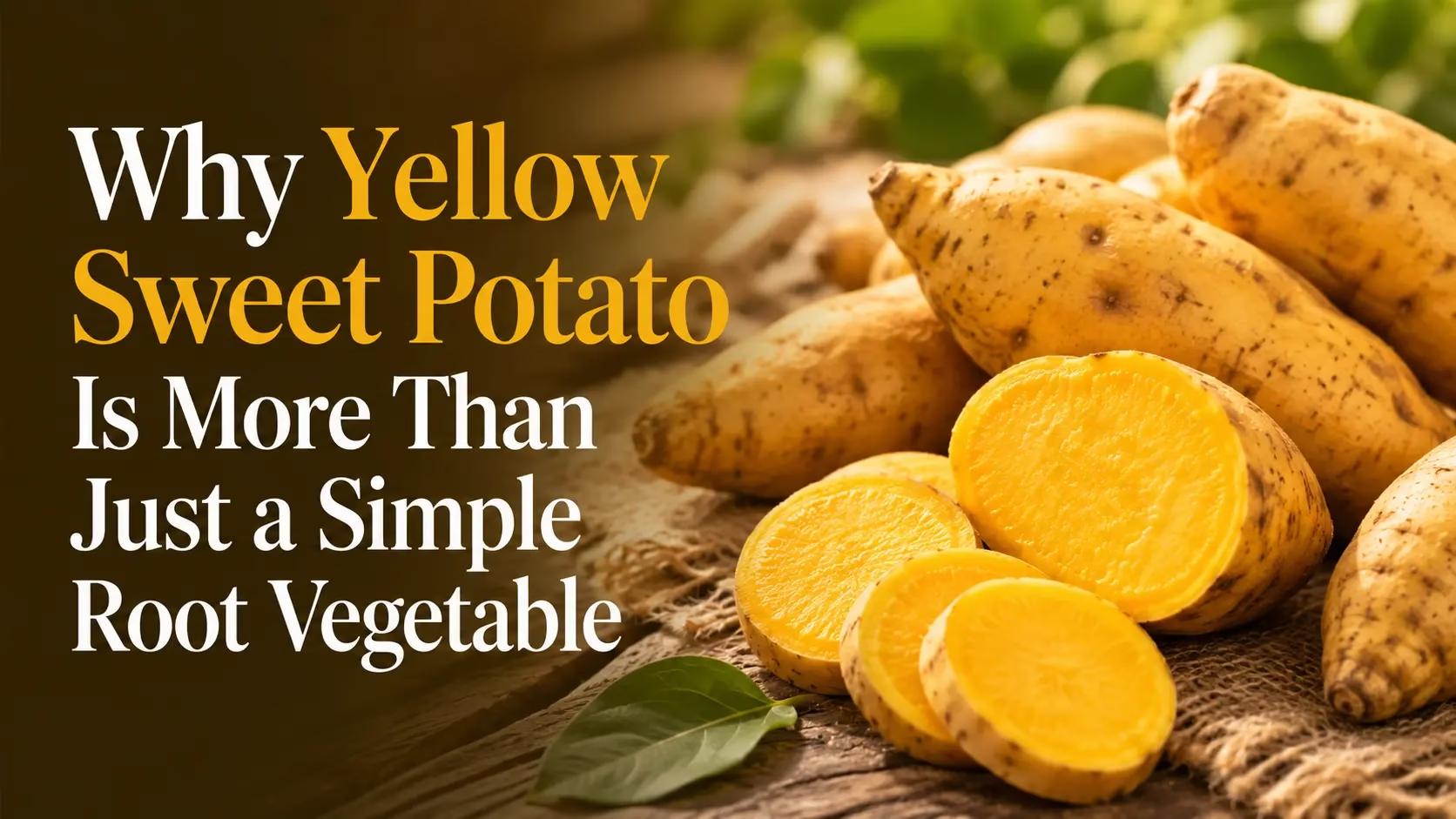
Amid the strong global shift in the food industry toward organic and wellness-oriented products, Yellow Sweet Potato is rising from its humble status as a traditional staple crop to become a true “superfood.”
Many people still think of sweet potato simply as a side dish or an affordable source of starch. However, behind its rustic skin and appealing golden-yellow flesh lies a rich nutritional profile that delivers remarkable value not only for human health but also for the expanding commercial potential of the F&B industry.
This article will take you deep into the world of Yellow Sweet Potato, exploring its nutritional composition, practical health benefits, cross-industry applications, and the reasons why this root vegetable deserves a place not only on family dining tables but also in large-scale food production lines.

Yellow Sweet Potato, scientifically known as Ipomoea batatas, belongs to the Convolvulaceae family, commonly referred to as the morning glory family. Although it originated in the tropical regions of the Americas, this crop has now been bred and widely cultivated around the world, especially in Asian countries with tropical and subtropical climates. (1)
The most distinctive identifying feature of this sweet potato variety is its flesh, which ranges in color from pale yellow to deep orange. It has a high moisture content and, when cooked, develops a soft, smooth, slightly chewy texture with a naturally mild sweetness. The color of the flesh does not merely influence its flavor; it also serves as a “barometer” that directly reflects the micronutrient content within the tuber.
To clearly understand the differences and unique value of Yellow Sweet Potato, let us compare it with other common sweet potato varieties, such as purple sweet potato and white sweet potato, through the analytical table below:
| Comparison Criteria | Yellow Sweet Potato | Purple Sweet Potato | White Sweet Potato |
|---|---|---|---|
| Flesh Color | Golden yellow to bright orange. | Light purple to deep purple. | White or very pale yellow. |
| Flavor & Texture | Very sweet, soft, moist, and slightly chewy in texture. | Moderately sweet, with a denser, starchier, and drier texture. | The least sweet among the three, high in starch, with a dry and crumbly texture. |
| Key Bioactive Compounds | Contains a significant amount of beta-carotene, a precursor of vitamin A. | Rich in anthocyanins, powerful antioxidant compounds. | Mainly provides energy from carbohydrates. |
| Commercial Applications | Soups, baby food, dried soft sweet potato snacks, and ingredients for bakery and confectionery products. | Natural food coloring powder, milk tea, and premium desserts. | Starch production, animal feed, and fermentation applications. |
Therefore, Yellow Sweet Potato represents the perfect balance between excellent culinary flavor and a valuable source of essential nutrients, particularly key vitamins.
The main reason this article describes Yellow Sweet Potato as “more than just a root vegetable” lies in its outstanding nutritional composition. A medium-sized Yellow Sweet Potato, approximately 130g when boiled, contains an impressive matrix of nutrients.
The distinctive yellow-orange color of this sweet potato comes from beta-carotene, a powerful antioxidant that the body converts into vitamin A. With just 100g of baked Yellow Sweet Potato, you can obtain more than 156% of the recommended daily intake (RDI) of vitamin A. This is an impressive figure that very few plant-based foods can match, even surpassing carrots and pumpkins. (2)
Unlike refined grains, Yellow Sweet Potato provides both soluble fiber, such as pectin, and insoluble fiber, including cellulose, lignin, and hemicellulose.
Soluble fiber: Helps slow down the digestion and absorption of sugar, thereby supporting blood sugar stability while also helping reduce cholesterol levels in the blood.
Insoluble fiber: Acts like a “natural broom” for the digestive tract, helping cleanse the intestines, increase stool bulk, and effectively prevent constipation. (3)
Vitamin C: Citrus fruits are not the only source of vitamin C. Yellow Sweet Potato also contains vitamin C, which plays a vital role in collagen synthesis and supports immune system function. (4)
Potassium: Yellow Sweet Potato contains a high level of potassium, even higher than bananas, helping regulate blood pressure and maintain fluid balance within cells. (5)
With its outstanding nutritional profile, consuming Yellow Sweet Potato regularly and in the right way can bring significant positive effects on human health.
Yellow Sweet Potato is exceptionally rich in beta-carotene, the antioxidant responsible for its vibrant yellow-orange color. In the body, beta-carotene is converted into vitamin A, which plays a vital role in maintaining healthy vision and supporting the light-sensitive receptors in the eyes.
Orange-fleshed sweet potatoes may help reduce the risk of vision problems associated with vitamin A deficiency, including xerophthalmia. In addition, purple sweet potatoes contain anthocyanins, powerful antioxidants that may help protect eye cells from oxidative damage and support overall eye health. (6)
Yellow Sweet Potato contains both soluble and insoluble fiber, which help support digestion and promote better gut health. Fiber helps soften stool, increase stool bulk, and maintain regular bowel movements. During fermentation in the gut, dietary fiber also produces short-chain fatty acids that help nourish and protect the intestinal lining.
In addition, the antioxidants found in sweet potatoes may support the growth of beneficial gut bacteria, such as Bifidobacterium and Lactobacillus. This can contribute to improved digestive function and may help reduce the risk of digestive issues such as irritable bowel syndrome (IBS) and infectious diarrhea. (7)
Sweet potatoes are rich in antioxidants that may help protect the body against oxidative stress, a factor associated with the development of certain chronic diseases, including some types of cancer. In particular, anthocyanins, powerful antioxidants found in purple sweet potatoes, have shown potential in laboratory and animal studies to slow the growth of certain cancer cells, including bladder, colon, stomach, and breast cancer cells.
In addition, extracts from sweet potato peels have also demonstrated potential anti-cancer properties in test-tube and animal research. However, these findings are still preliminary, and more human studies are needed to confirm the extent of these effects. (8)
Orange-fleshed sweet potatoes are among the richest natural sources of beta-carotene, which the body converts into vitamin A, an essential nutrient for maintaining a strong immune system. Vitamin A helps support healthy mucous membranes, particularly in the gut lining, which serves as an important barrier against harmful pathogens.
Adequate vitamin A intake also plays a key role in supporting the body’s immune response and may help reduce inflammation associated with vitamin A deficiency. By contributing to sufficient vitamin A intake, regular consumption of Yellow Sweet Potato can help support overall immune health. (9)
Beyond its role in personal health and nutrition, Yellow Sweet Potato also demonstrates strong commercial value and exceptional versatility, meeting the increasingly demanding needs of the modern food market.
For people pursuing a healthy lifestyle or following a gym and fitness routine, Yellow Sweet Potato is an irreplaceable source of slow-releasing carbohydrates.
Weight management diets: Replacing white rice, rice noodles, or pho noodles with one to two boiled sweet potatoes per day can help promote longer-lasting fullness, reduce cravings, and still provide sufficient energy for brain function.
Versatile preparation: With its natural sweetness and soft, slightly chewy texture, Yellow Sweet Potato can be easily transformed into a wide range of dishes, such as mashed sweet potato soup, honey-roasted sweet potatoes, sweet potato salad, or even used as a crust or dough alternative to reduce the use of wheat flour and lower gluten intake.
In the food and beverage industry, Yellow Sweet Potato is being extensively utilized in various forms of deep processing, helping increase the value chain of agricultural products:
Pure sweet potato powder: Used as an ingredient in confectionery products, nutritious instant noodles, or detox beverages.
Baby food: Thanks to its naturally smooth texture, pleasant sweetness, and rich vitamin A content, mashed Yellow Sweet Potato is one of the most popular jarred baby food products in the global market.
Healthy snacks: Vacuum-fried sweet potatoes and unsweetened soft-dried sweet potato snacks are gradually gaining market share over traditional oil-heavy potato chips.
To maximize the nutritional value of Yellow Sweet Potato, every step from selection to storage and preparation should follow proper science-based principles.
When selecting Yellow Sweet Potato at a fresh produce counter, apply the “three don’ts” principle:
Do not choose tubers with holes, cracks, or black spots: These may be signs of pest damage, spoilage, or fungal contamination. Such sweet potatoes can taste bitter and may pose potential health risks if consumed.
Do not choose overly large tubers: Medium-sized sweet potatoes are generally preferred, as they often have a better texture, a softer and slightly chewy flesh, and less fiber compared to oversized tubers.
Do not buy sprouted sweet potatoes: Although sprouted sweet potatoes are not as toxic as sprouted potatoes, they often lose much of their nutritional value, and their flavor may become bland and less appealing.
A very common mistake among consumers is storing sweet potatoes in the refrigerator. Cold temperatures can alter the cellular structure of sweet potatoes, forcing starches to convert into sugars and causing the core to become hard and unpleasant in texture, while also changing the flavor after cooking.
Proper storage: Yellow Sweet Potato should be kept in a dry, cool, dark place away from direct sunlight, with good ventilation, such as in a woven bamboo basket or mesh bag. Under ideal conditions, at around 13–15°C, Yellow Sweet Potato can maintain its quality for approximately 3 to 5 weeks.
The way you cook sweet potatoes can directly influence their glycemic index (GI):
Boiling: This is considered one of the best preparation methods. Boiling sweet potatoes for around 30 minutes helps preserve more resistant starch structure, keeping the glycemic index at a relatively safe level, approximately 46.
Baking: Although baking creates a delicious caramelized flavor through the Maillard reaction, it can significantly break down starch structures and raise the glycemic index to a much higher level, around 80–90. Therefore, people who need to manage blood sugar levels should limit their consumption of baked sweet potatoes.
From a macro perspective, Yellow Sweet Potato is a strategic crop for modern agriculture. It has strong drought tolerance, adapts well to various soil types, and requires less chemical fertilizer compared to crops such as wheat or corn.
Developing Yellow Sweet Potato cultivation according to GlobalGAP or VietGAP standards is opening up significant export opportunities to demanding markets such as Japan, Europe, and the United States. In particular, the booming plant-based food trend has driven increasing import demand for processed Yellow Sweet Potato products, with growth reaching double-digit rates annually.
This requires businesses to invest more heavily in post-harvest preservation technologies, as well as drying and extraction production lines, in order to enhance the value of agricultural products.
Although Yellow Sweet Potato is often regarded as a “superfood,” excessive consumption or improper use may still pose certain risks for specific groups of people.
Risk of kidney stones: Sweet potatoes naturally contain oxalates. When consumed in excessive amounts, oxalates may bind with calcium and form kidney stones. People with a history of kidney stones should consume Yellow Sweet Potato in moderation and drink enough water.
Bloating and indigestion: Eating sweet potatoes on an empty stomach or consuming them before they are fully cooked may cause digestive discomfort, including acid reflux, heartburn, and bloating.
Excess vitamin A intake and carotenemia: Consuming very large amounts of Yellow Sweet Potato continuously over a long period may cause the skin on the palms and soles to turn slightly orange. Although this condition is generally harmless and usually resolves after dietary adjustment, it may still cause concern for consumers.
Q1: Is it good to eat Yellow Sweet Potato every day?
Yes, eating Yellow Sweet Potato every day can be beneficial, as long as you control the portion size, ideally around 100g to 150g per day, and use it as a replacement for less nutritious sources of starch, such as white rice or white bread. This can help provide sustained energy along with an abundant supply of essential vitamins.
Q2: Can people with diabetes really eat Yellow Sweet Potato?
Yes, they can. People with diabetes should choose boiled or steamed Yellow Sweet Potato, allow it to cool before eating to help increase resistant starch content, and pair it with protein-rich foods and green vegetables to slow the rise in blood sugar levels. Baked sweet potatoes and deep-fried sweet potato dishes should be avoided.
Q3: Which is better for weight loss: Yellow Sweet Potato or Purple Sweet Potato?
Both are excellent choices for weight management because they are rich in fiber and relatively low in calories. However, if your goal is to optimize vitamin A intake for eye and skin health, Yellow Sweet Potato is a strong option. If you are looking for a higher level of antioxidants, especially anthocyanins, to support healthy aging, Purple Sweet Potato may have the advantage. Ideally, both varieties can be used alternately in a balanced diet.
Q4: What foods can Yellow Sweet Potato be combined with to improve nutrient absorption?
The vitamin A derived from Yellow Sweet Potato is fat-soluble. Therefore, to help the body absorb beta-carotene more effectively, Yellow Sweet Potato should be paired with a small amount of healthy fat, such as olive oil, avocado, or nuts like almonds and walnuts.
Q5: Does white sap leaking from the cut end of a sweet potato mean it has gone bad?
No. The white sap that appears when a fresh sweet potato is cut usually indicates that the tuber has been recently harvested, contains plenty of moisture, and is still fresh. You simply need to rinse it thoroughly before boiling or steaming.
More than just a source of starch to satisfy hunger, Yellow Sweet Potato is truly a priceless gift from nature. From its remarkable beta-carotene content that helps support vision, to its complex fiber matrix that promotes digestive health, and its diverse applications in both home kitchens and large-scale food manufacturing, this humble root vegetable is proving itself to be a new-generation superfood.
We hope this article has provided you with in-depth and science-based knowledge about Yellow Sweet Potato. Start improving your family’s daily nutrition today by adding Yellow Sweet Potato to your diet in a smart and balanced way. And if you are a food manufacturer or agricultural business, do not miss the golden opportunity to unlock the enormous economic potential of this exceptional agricultural product.
Industries Industries
 Industries
 Industries
 Industries